Routine-based advertising has two jobs: make the desired change recognizable and make the first step credible. Separate taste, convenience and product facts from claims that would need additional substantiation.
Static image · Captured 2026-10-22
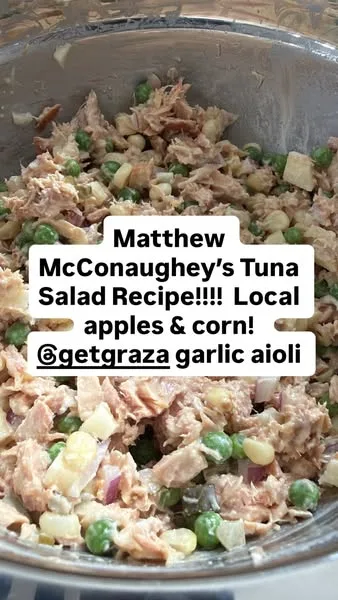
“Meet Graza Mayo: everything you love about mayo… but way better. 🫒 Use “Original” Mayo for making potato salad or deviled eggs! 🫒 Use “Fancy” Mayo for whipping up a salad dressing! 🫒 Use “Garlic” Aioli for dolloping on tacos! GRAZA.CO”
The archive suggests a social proof approach. Use the captured wording to assess that interpretation.
- Why this approach may work
- An identifiable experience can make an abstract benefit concrete. The source and circumstances of the evidence determine how much a reader can infer.
- What to question
- Does the quoted experience apply to the audience and outcome in the ad? Keep attribution and important context intact.
- A variation to test
- Compare a permissioned customer account with a product demonstration of the same benefit.
- Evidence to use
- An attributable customer statement or independently verifiable recognition.
Static image · Captured 2026-10-19
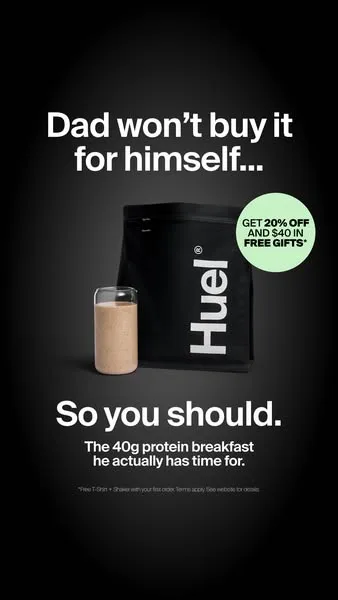
“Mornings aren’t yours anymore. They belong to school runs, lost shoes, and packed calendars. Huel makes breakfast one less thing to manage. ✔ 40g protein to keep you full for hours ✔ Complete nutrition ✔ Ready in 60 seconds Feed y”
The copy refers to time or a recurring period. Identify the task, routine or delivery expectation attached to that language.
- Why this approach may work
- An identifiable experience can make an abstract benefit concrete. The source and circumstances of the evidence determine how much a reader can infer.
- What to question
- Distinguish a delivery promise, routine and measured time saving; they need different evidence.
- A variation to test
- Compare the named time-based benefit with a demonstration of the underlying task or routine.
- Evidence to use
- A real example showing the task, time period and relevant conditions.
Static image · Captured 2026-10-18
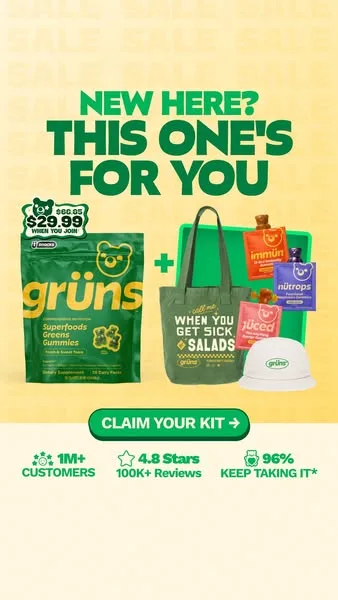
“Up to 61% off with free gifts on Grüns right now — and here's why everyone's grabbing it. 21 vitamins & minerals, prebiotics, and 60+ thoughtful ingredients in one gummy you'll actually look forward to. Simple, delicious, and on sale. 🎁 Onl”
The captured copy includes a free, trial or demonstration step. Study how that step connects the promise to an experience of the product.
- Why this approach may work
- An unexpected statement can earn attention when the next line resolves the tension with something relevant to the product.
- What to question
- Check eligibility, effort and what happens after the introductory step; the word free alone does not describe the commitment.
- A variation to test
- Compare a demonstration-led opening with a benefit-led opening while keeping the introductory offer fixed.
- Evidence to use
- The actual first-use experience and the terms of the introductory offer.
Claims and offers are reproduced from captured ads. The breakdowns are creative hypotheses to evaluate with your own audience and results.