Study how customer experiences, reviews and outside recognition support an ad's promise. Beauty ads often compress product identity, a desired result and a reason to try into one frame. Study which of those leads, and whether the supporting product information makes the promise assessable.
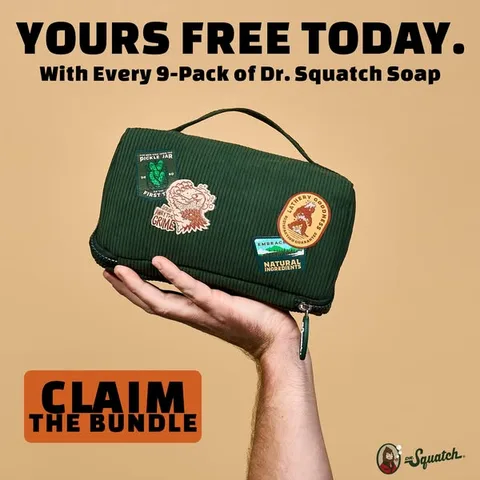
Static image · Captured 2026-10-18
“FREE TRAVEL BAG + 39% OFF | Final Days 🚨 ⭐⭐⭐⭐⭐ Tens of thousands of 5 star reviews 🤑 39% OFF sale ends soon! 🧼 Stock up on 9 signature soaps to get a FREE travel bag ultimate bundle! 🔗 New customers only, click here to claim! 🫚 Mad”
The captured copy includes a free, trial or demonstration step. Study how that step connects the promise to an experience of the product.
- Why this approach may work
- An identifiable experience can make an abstract benefit concrete. The source and circumstances of the evidence determine how much a reader can infer.
- What to question
- Does the quoted experience apply to the audience and outcome in the ad? Keep attribution and important context intact. Check eligibility, effort and what happens after the introductory step; the word free alone does not describe the commitment.
- A variation to test
- Compare a permissioned customer account with a product demonstration of the same benefit.
- Evidence to use
- An attributable customer statement or independently verifiable recognition.
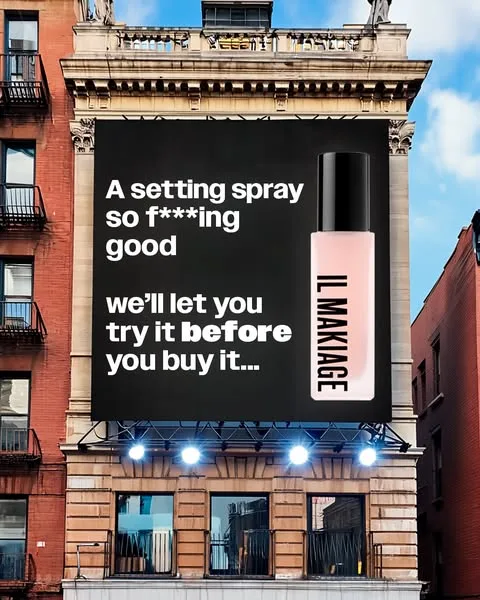
Static image · Captured 2026-10-18
“"My makeup lasted through the craziest 16-hour day, and I swear it looked EXACTLY the same at night! If you haven’t tried this setting spray yet, what are you doing?? It will change your life.” - Shelly R. Find out for yourself! ⏰ Lasts”
The copy refers to time or a recurring period. Identify the task, routine or delivery expectation attached to that language.
- Why this approach may work
- An identifiable experience can make an abstract benefit concrete. The source and circumstances of the evidence determine how much a reader can infer.
- What to question
- Does the quoted experience apply to the audience and outcome in the ad? Keep attribution and important context intact. Distinguish a delivery promise, routine and measured time saving; they need different evidence.
- A variation to test
- Compare a permissioned customer account with a product demonstration of the same benefit.
- Evidence to use
- An attributable customer statement or independently verifiable recognition.
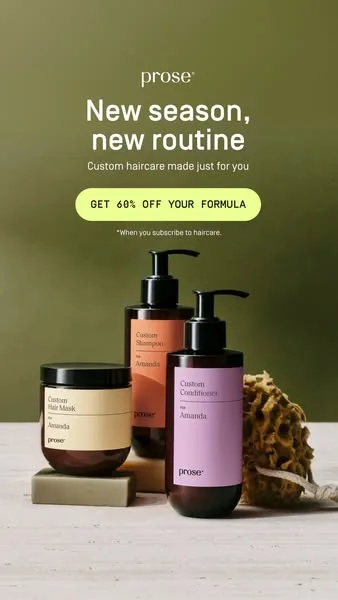
Static image · Captured 2026-10-19
“SURPRISE: Get 60% OFF your next Prose order when you click today!* 🎯 Formulas made for your hair goals ⭐️ 600,000+ 5-star Prose product reviews** on Review & Refine® 😊 The Prose Promise™: Love your first order (or it’s on us) 🤳 Take t”
The copy contains price or saving language. Read the monetary claim alongside the product, comparison period and purchase conditions.
- Why this approach may work
- An identifiable experience can make an abstract benefit concrete. The source and circumstances of the evidence determine how much a reader can infer.
- What to question
- Does the quoted experience apply to the audience and outcome in the ad? Keep attribution and important context intact. Verify the baseline and total commitment before using a similar numerical or promotional claim.
- A variation to test
- Compare a permissioned customer account with a product demonstration of the same benefit.
- Evidence to use
- An attributable customer statement or independently verifiable recognition.
Claims and offers are reproduced from captured ads. The breakdowns are creative hypotheses to evaluate with your own audience and results.