Skip to content
IG Ad Library

Home, apparel and consumer tech: lifestyle and destination ads.

Study three lifestyle and destination ad examples from home, apparel and consumer tech. Compare their promises and evidence, then draft a focused creative test.

By IG Ad Library · Updated October 23, 2026

Selected from 138 distinct artworks across 10 advertisers. Archive snapshot: October 22, 2026.

How lifestyle and destination advertising works

Place a product or experience inside a recognizable scene. Context can make a desired experience tangible. The product's role needs to remain clear enough that the scene supports a buying decision.

Who the adaptation could serve
A planning audience for your adaptation: shoppers comparing a product with their current alternative. Treat this as a brief-writing starting point; an ad's wording does not reveal the advertiser's actual targeting.
Evidence to prepare
A representative scene that accurately shows the product or experience.

Three ads, broken down.

Place a product or experience inside a recognizable scene. Compare how the product is made tangible: a specific feature, a recognizable use case or a clear buying incentive. This archive group spans several product categories, so match the use case before borrowing an idea.
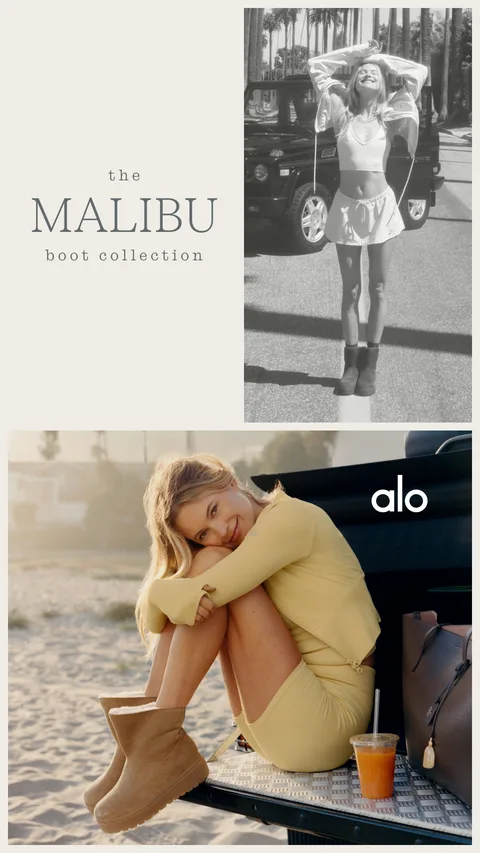
Alo Yoga lifestyle / destination ad: Inspired by the warmth and ease of cozy California days. Slip into soft new styles perfect for post-studio downtime and sunset drives.

Lifestyle / destination · Captured 2026-10-20

“Inspired by the warmth and ease of cozy California days. Slip into soft new styles perfect for post-studio downtime and sunset drives. Malibu Boot Collection Shop Now Shop Now”

The copy refers to time or a recurring period. Identify the task, routine or delivery expectation attached to that language. The captured next-step label is “Shop Now”.

Why this approach may work
Context can make a desired experience tangible. The product's role needs to remain clear enough that the scene supports a buying decision.
What to question
Does the setting explain a real use case or leave the actual product benefit ambiguous? Distinguish a delivery promise, routine and measured time saving; they need different evidence.
A variation to test
Compare a context-led image with a direct demonstration using the same message.
Evidence to use
A representative scene that accurately shows the product or experience.
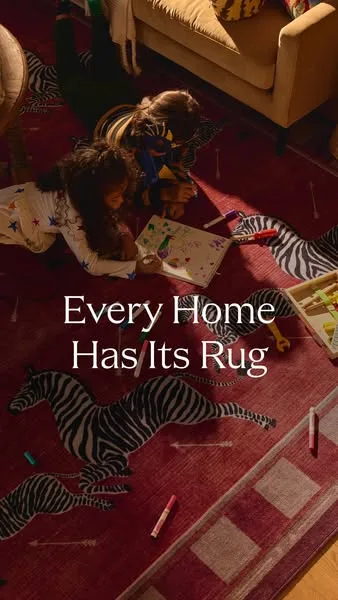
Ruggable lifestyle / destination ad: Pattern, grounding texture. Your rug can change how your room feels, not just how it looks.

Lifestyle / destination · Captured 2026-10-20

“Pattern, grounding texture. Your rug can change how your room feels, not just how it looks. Rugs made for homes that live beautifully. Shop Now”

The archive suggests a education and mechanism approach. Use the captured wording to assess that interpretation. The captured next-step label is “Shop Now”.

Why this approach may work
Context can make a desired experience tangible. The product's role needs to remain clear enough that the scene supports a buying decision.
What to question
Does the setting explain a real use case or leave the actual product benefit ambiguous? Which step in the explanation can the customer verify? Remove technical detail that does not help answer that question.
A variation to test
Compare a context-led image with a direct demonstration using the same message.
Evidence to use
A representative scene that accurately shows the product or experience.

Brooklinen lifestyle / destination ad: Rethink the way you snooze with our latest arrivals. We’re talking brand new colorways in our best-selling sheets, cozy textures, and everything in…

Lifestyle / destination · Captured 2026-10-18

“Rethink the way you snooze with our latest arrivals. We’re talking brand new colorways in our best-selling sheets, cozy textures, and everything in between. Surround Yourself in an Award-Winner Shop our latest arrivals for fall Shop Now”

The archive suggests a lifestyle and destination approach. Use the captured wording to assess that interpretation. The captured next-step label is “Shop Now”.

Why this approach may work
Context can make a desired experience tangible. The product's role needs to remain clear enough that the scene supports a buying decision.
What to question
Does the setting explain a real use case or leave the actual product benefit ambiguous?
A variation to test
Compare a context-led image with a direct demonstration using the same message.
Evidence to use
A representative scene that accurately shows the product or experience.

Claims and offers are reproduced from captured ads. The breakdowns are creative hypotheses to evaluate with your own audience and results.

What shows up in this collection?

In this 138-artwork set, the most frequent specific angle labels are freedom / lifestyle (17 creatives) and seasonal relevance (12 creatives). The selected examples come from Alo Yoga (2026-10-20), Ruggable (2026-10-20), Brooklinen (2026-10-18). Compare the opening wording and evidence across those examples before choosing one variable to test.

Understand awareness stages
Suggested creative angles in 138 artworks
AngleArtworksShare
Freedom / lifestyle1712.3%
Seasonal relevance128.7%
Time savings53.6%
Product features32.2%
Contrarian / curiosity21.4%

An artwork can have several suggested angles. These are frequencies in the captured archive, not measures of campaign performance.

How this collection was assembled

This page uses 138 distinct artwork hashes across 10 advertisers in the October 22, 2026 archive snapshot. Counts use one canonical captured source per artwork. Angle labels can overlap. Format and awareness labels are research suggestions; they do not establish targeting or results.

How to turn this approach into a test.

  1. 1. Choose the audience situation

    Describe the reader's problem and current alternative. For this context, start with: shoppers comparing a product with their current alternative. Write down what they already understand before choosing an awareness-stage opening.

  2. 2. Change one main creative variable

    Compare a context-led image with a direct demonstration using the same message. Keep the offer and landing page comparable so you can interpret the creative difference.

  3. 3. Gather proof before production

    A representative scene that accurately shows the product or experience. Replace the reference's claims and branding with evidence and assets you can use for your own offer.

  4. 4. Define the result before launch

    A candidate measure here is cost per purchase. Decide the conversion definition, attribution window and decision rule before comparing variants. Use the same reporting basis and record costs alongside response rates.

Turn the reference into your next test.

Adapt the opening, audience and evidence to your own product. Choose one variable to change and a measure that reflects your campaign objective.

Creative test details

Your test brief

Creative test brief

Reference: Alo Yoga — Home, apparel and consumer tech: lifestyle and destination ads

Audience: Shoppers comparing a product with their current alternative

Desired outcome: Choose the product that fits their use and preferences

Opening to test: Compare a context-led image with a direct demonstration using the same message.

Evidence to show: A representative scene that accurately shows the product or experience.

Next action: Choose the next step that matches your offer

Primary measure: Cost per purchase

Comparison: change the opening; keep the audience, offer and destination consistent.

Decide the budget, evaluation window and acceptable acquisition cost before the test.

Free tools for your next test.

All free tools

Plan the inputs, document the idea and calculate the result. No signup required.

Questions about these examples.

What can I learn from these examples?

The examples make lifestyle and destination advertising in home, apparel and consumer tech easier to compare through captured copy, a source link and a hypothesis to test. Does the setting explain a real use case or leave the actual product benefit ambiguous?

How should I turn a reference into a test?

Compare a context-led image with a direct demonstration using the same message. Use your own artwork and substantiated claims. For this research context, cost per purchase is a possible primary measure; choose the measure that matches your actual campaign objective.

Do these examples prove which ads performed best?

The archive records creative examples, not advertiser spend, conversions or return on ad spend. Frequency and repeated appearances do not establish performance. Evaluate your adapted idea with your own campaign results.