Study ads that lead with a named product, its features or evidence. A parenting ad earns attention by recognizing a concrete situation. Study how it moves from that situation to product evidence, especially when the copy uses safety, comfort or developmental language.
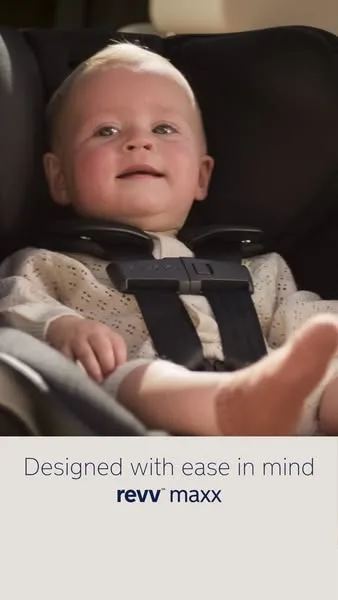
Static image · Captured 2026-10-20
“REVV maxx features an increased 65 pound weight limit & intuitive install that easily takes them from rear to forward-facing. See What the Hype is All About Shop Now”
The archive suggests a product features approach. Use the captured wording to assess that interpretation. The captured next-step label is “Shop Now”.
- Why this approach may work
- The ad puts the product near the center of the argument. Its job is to make a particular benefit or distinction worth a next step.
- What to question
- What is new or useful for a reader who recognizes the product name? Which feature matters most for this audience, and can its effect be shown rather than merely named?
- A variation to test
- Compare a feature-led opening with customer evidence for the same product benefit.
- Evidence to use
- A product demonstration or attributable experience tied to the specific benefit.
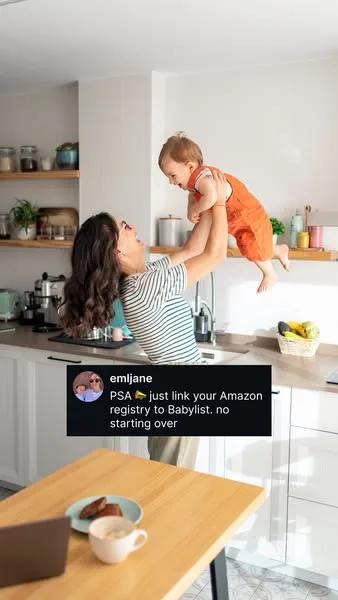
Static image · Captured 2026-10-21
“Love shopping on Amazon? Keep it in the mix. With Babylist, you can link your Amazon baby registry or add your favorite Amazon finds alongside picks from other stores—all in one registry. Amazon + Babylist? Yes, Please. Learn More”
A question appears in the captured copy. Examine the assumption it invites the reader to make and how the following claim answers it. The captured next-step label is “Learn More”.
- Why this approach may work
- The ad puts the product near the center of the argument. Its job is to make a particular benefit or distinction worth a next step.
- What to question
- What is new or useful for a reader who recognizes the product name? Does the answer connect to the product's actual capability and the reader's situation?
- A variation to test
- Compare a feature-led opening with customer evidence for the same product benefit.
- Evidence to use
- A product demonstration or attributable experience tied to the specific benefit.
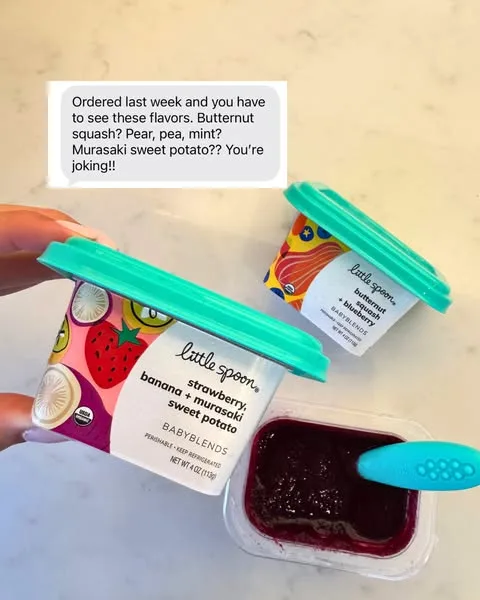
Static image · Captured 2026-10-20
“Little Spoon obsesses over the perfect puree so that you don’t have to. ✨Organic and non-GMO ingredients ✨EU-aligned safety standards ✨Always tested for 500+ heavy metals and contaminants Baby and kid's food you can trust. Shop Now”
The archive suggests a static image approach. Use the captured wording to assess that interpretation. The captured next-step label is “Shop Now”.
- Why this approach may work
- The ad puts the product near the center of the argument. Its job is to make a particular benefit or distinction worth a next step.
- What to question
- What is new or useful for a reader who recognizes the product name? Can the main message be understood at feed size before reading the smaller text?
- A variation to test
- Compare a feature-led opening with customer evidence for the same product benefit.
- Evidence to use
- A product demonstration or attributable experience tied to the specific benefit.
Claims and offers are reproduced from captured ads. The breakdowns are creative hypotheses to evaluate with your own audience and results.