Make a task, delay or repeated effort the center of the creative comparison. These offers often ask for trust before a result can be experienced. Read the opening alongside eligibility, effort and terms; a simple first step should still explain what the customer is choosing.
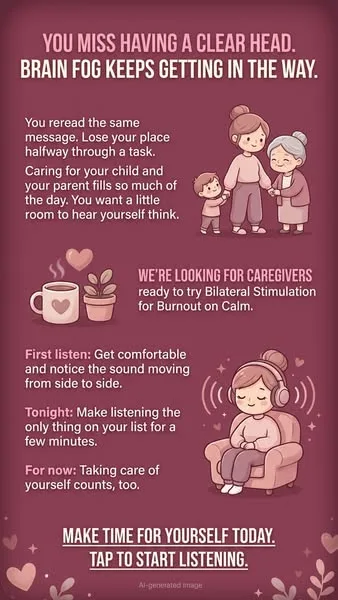
Static image · Captured 2026-10-18
“Stop what you’re doing ✋ How many minutes have you been mindlessly scrolling? Take a pause and switch the scroll for a 3-minute breathing session with Calm EMDR-inspired audio + restoration techniques Learn More”
The copy refers to time or a recurring period. Identify the task, routine or delivery expectation attached to that language. The captured next-step label is “Learn More”.
- Why this approach may work
- Time becomes persuasive when the copy names what takes time and what changes in the workflow. A number alone does not explain the improvement.
- What to question
- What task, baseline and conditions sit behind the time claim? Include setup and human review where they matter. Distinguish a delivery promise, routine and measured time saving; they need different evidence.
- A variation to test
- Compare a time-based opening with a demonstration of the completed task using the same offer.
- Evidence to use
- A measured example of the task, its baseline and the changed workflow.

Static image · Captured 2026-10-19
“Many developers know the basics of AI prompting, but run into a wall when it gets time to build actual agentic systems. With Microsoft Generative and Agentic AI Basics, you’ll learn how to: 👉 Build generative AI applications using Azu”
The copy refers to time or a recurring period. Identify the task, routine or delivery expectation attached to that language.
- Why this approach may work
- Time becomes persuasive when the copy names what takes time and what changes in the workflow. A number alone does not explain the improvement.
- What to question
- What task, baseline and conditions sit behind the time claim? Include setup and human review where they matter. Distinguish a delivery promise, routine and measured time saving; they need different evidence.
- A variation to test
- Compare a time-based opening with a demonstration of the completed task using the same offer.
- Evidence to use
- A measured example of the task, its baseline and the changed workflow.
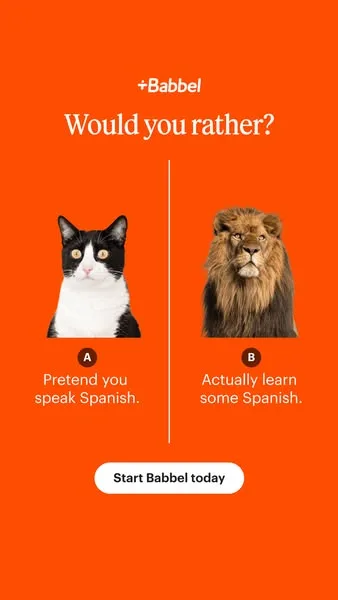
Static image · Captured 2026-10-18
“Start speaking in as little as 3 weeks! 🏆 BABBEL.COM It's Time to Invest in a New Language ⏰ Your path to real‑world conversations. Shop Now”
The copy refers to time or a recurring period. Identify the task, routine or delivery expectation attached to that language. The captured next-step label is “Shop Now”.
- Why this approach may work
- Time becomes persuasive when the copy names what takes time and what changes in the workflow. A number alone does not explain the improvement.
- What to question
- What task, baseline and conditions sit behind the time claim? Include setup and human review where they matter. Distinguish a delivery promise, routine and measured time saving; they need different evidence.
- A variation to test
- Compare a time-based opening with a demonstration of the completed task using the same offer.
- Evidence to use
- A measured example of the task, its baseline and the changed workflow.
Claims and offers are reproduced from captured ads. The breakdowns are creative hypotheses to evaluate with your own audience and results.