Connect a recognized frustration to a possible route forward. Routine-based advertising has two jobs: make the desired change recognizable and make the first step credible. Separate taste, convenience and product facts from claims that would need additional substantiation.

Static image · Captured 2026-10-18
“New Whitney leggings just dropped 🔥 Flattering mid-rise waistband in new shades and the same ButterSmooth™️ fabric 💛 New for the lifting girlies 💪 Shop Now”
The archive suggests a static image approach. Use the captured wording to assess that interpretation. The captured next-step label is “Shop Now”.
- Why this approach may work
- The reader is presumed to recognize the problem. The ad must establish why a category or approach deserves consideration.
- What to question
- Does the transition from problem to solution explain the connection clearly? Can the main message be understood at feed size before reading the smaller text?
- A variation to test
- Compare a problem-first opening with an explanation of the solution mechanism.
- Evidence to use
- An accurate account of the problem and evidence that the approach addresses it.

Static image · Captured 2026-10-20
“Losing weight? We can help you do it better. Maintain muscle mass with creatine, one of the most well-studied supplements on the market.* #onlyThorne THORNE.COM Support your journey. #1 recommended clinical brand. Shop Now”
A question appears in the captured copy. Examine the assumption it invites the reader to make and how the following claim answers it. The captured next-step label is “Shop Now”.
- Why this approach may work
- The reader is presumed to recognize the problem. The ad must establish why a category or approach deserves consideration.
- What to question
- Does the transition from problem to solution explain the connection clearly? Does the answer connect to the product's actual capability and the reader's situation?
- A variation to test
- Compare a problem-first opening with an explanation of the solution mechanism.
- Evidence to use
- An accurate account of the problem and evidence that the approach addresses it.
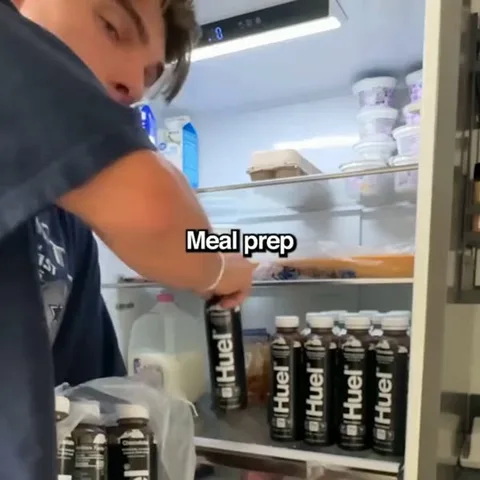
Static image · Captured 2026-10-19
“Tired of meal prepping? Try this instead 👇 Life moves fast—and I’m always trying to keep up. Between work, workouts, and everything in between, I don’t always have time to prep a full meal. But I still want to fuel my body right. That”
The copy refers to time or a recurring period. Identify the task, routine or delivery expectation attached to that language.
- Why this approach may work
- The reader is presumed to recognize the problem. The ad must establish why a category or approach deserves consideration.
- What to question
- Does the transition from problem to solution explain the connection clearly? Distinguish a delivery promise, routine and measured time saving; they need different evidence.
- A variation to test
- Compare a problem-first opening with an explanation of the solution mechanism.
- Evidence to use
- An accurate account of the problem and evidence that the approach addresses it.
Claims and offers are reproduced from captured ads. The breakdowns are creative hypotheses to evaluate with your own audience and results.