Study how customer experiences, reviews and outside recognition support an ad's promise. Routine-based advertising has two jobs: make the desired change recognizable and make the first step credible. Separate taste, convenience and product facts from claims that would need additional substantiation.
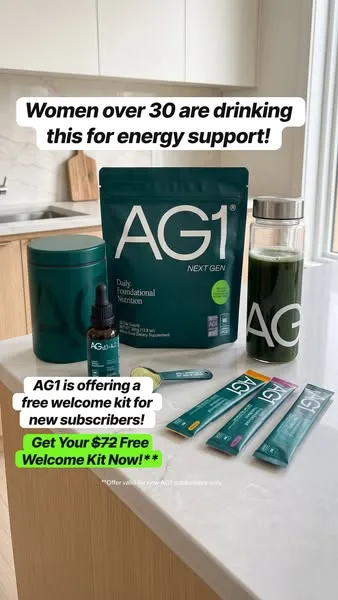
Static image · Captured 2026-10-18
“Feeling the slump? AG1 Next Gen supports energy with bioavailable nutrients and essential B vitamins — all in one scoop, backed by clinical research. ⚡ Supports daily energy, without the crash 💚 Clinically shown to help fill nutrient ga”
A question appears in the captured copy. Examine the assumption it invites the reader to make and how the following claim answers it.
- Why this approach may work
- An identifiable experience can make an abstract benefit concrete. The source and circumstances of the evidence determine how much a reader can infer.
- What to question
- Does the quoted experience apply to the audience and outcome in the ad? Keep attribution and important context intact. Does the answer connect to the product's actual capability and the reader's situation?
- A variation to test
- Compare a permissioned customer account with a product demonstration of the same benefit.
- Evidence to use
- An attributable customer statement or independently verifiable recognition.
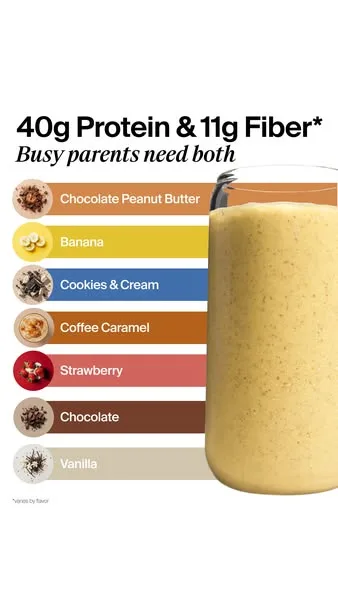
Static image · Captured 2026-10-19
“Mornings aren’t yours anymore. They belong to school runs, lost shoes, and packed calendars. Huel makes breakfast one less thing to manage. ✔ 40g protein to keep you full for hours ✔ Complete nutrition ✔ Ready in 60 seconds Feed y”
The copy refers to time or a recurring period. Identify the task, routine or delivery expectation attached to that language.
- Why this approach may work
- An identifiable experience can make an abstract benefit concrete. The source and circumstances of the evidence determine how much a reader can infer.
- What to question
- Does the quoted experience apply to the audience and outcome in the ad? Keep attribution and important context intact. Distinguish a delivery promise, routine and measured time saving; they need different evidence.
- A variation to test
- Compare a permissioned customer account with a product demonstration of the same benefit.
- Evidence to use
- An attributable customer statement or independently verifiable recognition.

Static image · Captured 2026-10-22
“Now for a limited time, get 25% off three oils for all your cooking adventures! 🫒 “Sizzle” Extra Virgin Cooking Oil for roasting & toasting 🫒 “Drizzle” Extra Virgin Finishing Oil for dipping & dressing 🫒 “Frizzle” High Heat Cooking Oil”
The copy contains price or saving language. Read the monetary claim alongside the product, comparison period and purchase conditions.
- Why this approach may work
- An identifiable experience can make an abstract benefit concrete. The source and circumstances of the evidence determine how much a reader can infer.
- What to question
- Does the quoted experience apply to the audience and outcome in the ad? Keep attribution and important context intact. Verify the baseline and total commitment before using a similar numerical or promotional claim.
- A variation to test
- Compare a permissioned customer account with a product demonstration of the same benefit.
- Evidence to use
- An attributable customer statement or independently verifiable recognition.
Claims and offers are reproduced from captured ads. The breakdowns are creative hypotheses to evaluate with your own audience and results.